
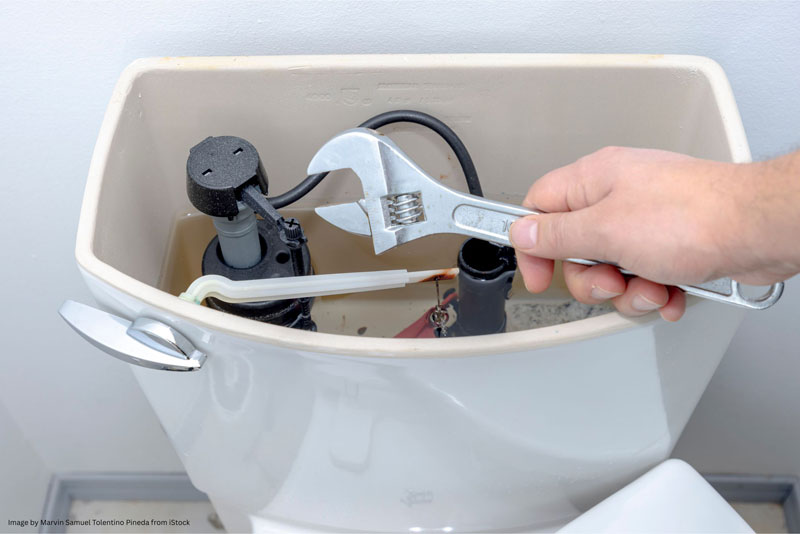
Why Does My Toilet Keep Running? Toilet Repair in San Marcos, CA
That constant sound of water running in your bathroom isn’t just annoying. It can also mean wasted water and an unexpectedly high utility bill. For homeowners looking for toilet repair in San Marcos, CA, understanding what’s causing the problem is the first step toward fixing it.
Whether you live in San Marcos, Vista, Escondido, Oceanside, Carlsbad, or Encinitas, a toilet that won’t stop running is a common plumbing issue that shouldn’t be ignored.
The good news? Some problems have simple solutions. Others require a professional plumber to prevent leaks, water damage, or repeated repairs
Why Does My Toilet Keep Running?
Most running toilets have one of two problems: water is escaping from the tank into the bowl, or the filling mechanism isn’t shutting off when the tank reaches the correct water level.
Common causes include:
- A worn or misaligned toilet flapper
- A faulty fill valve
- An incorrectly adjusted float
- A damaged flush valve seal
- A loose, tangled, or overly tight flush chain
Under normal conditions, the tank refills after flushing and the water stops automatically. When a seal fails or a valve malfunctions, water may continue flowing into the bowl or down the overflow tube.
Finding the source of the problem helps determine whether a simple adjustment will work or a replacement part is needed.
What Are the Most Common Causes of a Running Toilet?
1. Worn-Out Toilet Flapper
The flapper is the rubber seal at the bottom of the toilet tank. It lifts when you flush, allowing water to enter the bowl, then closes to let the tank refill.
Repeated use can cause the rubber to deteriorate, warp, or accumulate mineral deposits. When the flapper no longer forms a tight seal, water slowly leaks into the bowl.
Signs of a worn flapper include:
- Water trickling into the bowl between flushes
- The toilet refilling on its own
- Water sounds that continue after the tank should have filled
Replacing a worn flapper is often straightforward. The replacement must match the toilet’s flush valve and seal design.
2. Faulty Fill Valve
The fill valve controls the flow of fresh water into the tank after each flush. Once the water reaches the proper level, the valve should shut off.
A damaged, clogged, or worn fill valve may continue filling. You might hear water flowing long after flushing, or notice water entering the overflow tube.
If adjusting the valve doesn’t solve the problem, replacement may be necessary.
3. Incorrect Float Adjustment
The float signals the fill valve when the tank contains enough water. Depending on the toilet model, it may be attached to an arm or built into a vertical assembly.
If the float is set too high, the water level can rise above the overflow tube’s intended level. Excess water then drains into the overflow, creating a continuous flow.
Adjusting the float to the manufacturer’s recommended setting may correct the issue. If the water level remains too high, the fill valve may also be faulty.
4. Loose or Tangled Flush Chain
A short chain can prevent the flapper from closing completely. A tangled chain may also catch beneath the flapper, leaving a small gap through which water escapes.
Open the tank and check whether the chain moves freely when you operate the handle. It should have enough slack to let the flapper close fully without becoming trapped.
Correcting the chain position may stop the leak without replacing any parts.
5. Damaged Flush Valve Seal or Mineral Buildup
Some toilets use flush valve assemblies with seals that can wear out over time. If the seal becomes damaged, water may leak from the tank into the bowl even when the flapper or other visible components appear to be in good condition.
Mineral deposits can also interfere with moving parts and sealing surfaces. If cleaning or adjusting a component doesn’t restore proper operation, the affected seal or valve may need replacement.
How Can I Troubleshoot a Running Toilet Safely?
You can check several toilet tank components before arranging professional service. Follow these steps carefully, and stop if you encounter a damaged part or a connection that won’t move safely.
Step 1: Remove the Tank Lid
Lift the porcelain lid with both hands and place it on a stable, protected surface. The lid can crack if dropped or knocked against a hard edge.
Look inside the tank for a tangled chain, a flapper that hasn’t closed, or water continuing to flow after the tank should have refilled.
Step 2: Check the Water Level
Locate the manufacturer’s marked fill line, if one is present. The water should stop at that level, which is typically below the top of the overflow tube.
If water continues entering the overflow tube, the float may need adjustment or the fill valve may need repair or replacement.
Follow the toilet manufacturer’s instructions when adjusting the float. Designs vary, so avoid forcing the mechanism.
Step 3: Inspect the Flapper and Chain
Flush the toilet and watch the flapper as it returns to its seat. Check that it closes fully and that the chain doesn’t catch underneath it.
Look for visible cracks, warping, or deterioration around the flapper’s sealing surface. If the flapper appears damaged, a compatible replacement may resolve the leak.
Step 4: Perform a Food-Coloring Leak Test
Add a few drops of food coloring to the tank without flushing. Wait about 10 minutes.
If colored water appears in the bowl, water is leaking from the tank into the bowl. A worn flapper or damaged flush valve seal is a common cause.
Flush the toilet afterward to clear the coloring and help prevent staining.
Step 5: Check for External Leaks
Look around the base of the toilet, the tank connections, and the water supply line for visible moisture.
If water is leaking onto the floor, turn off the toilet’s water supply if the shutoff valve operates normally. Don’t force a stuck or corroded valve. Arrange professional assistance if you can’t stop the leak safely.
Avoid overtightening plastic fittings or dismantling components you’re unsure how to reinstall.
When Should You Call a Plumber for Toilet Repair?
Some toilet problems can be fixed with a simple adjustment. Others need a more thorough inspection.
Contact a plumber if:
- The toilet continues refilling after you inspect the chain, flapper, and water level.
- The fill valve or flush valve assembly needs replacement.
- Water leaks around the toilet’s base or tank connections.
- The shutoff valve is stuck, damaged, or leaking.
- Several toilets develop recurring problems.
- Your water bill rises without an obvious explanation.
Repeatedly replacing parts without identifying the source of the leak can waste both time and money. A plumber can inspect the tank components, check the water level, and determine which repair is appropriate.
For homeowners and property managers, professional toilet repair in San Marcos, CA, can help resolve persistent problems before they lead to further water waste or disruption.
Why Should You Fix a Running Toilet Quickly?
A running toilet can waste water continuously, even when nobody is using it. The amount depends on the cause and severity of the leak.
That wasted water can increase household utility costs. A faulty component may also continue to deteriorate, making the problem harder to manage over time.
Addressing the issue promptly helps restore normal operation and reduces unnecessary water use. If your toilet needs more than a basic adjustment, Proactive Plumbing, Inc. offers toilet repair and replacement services.
Frequently Asked Questions About Running Toilets
Why does my toilet keep running after I flush?
A worn flapper, faulty fill valve, or incorrectly adjusted float can prevent the toilet from shutting off properly. Check whether water is entering the overflow tube or leaking past the flapper into the bowl.
Can a running toilet increase my water bill?
Yes. A toilet that continuously sends water from the tank into the bowl can increase water consumption even when the fixture isn’t being used. Fixing the leak helps avoid that unnecessary waste.
Is it safe to fix a running toilet myself?
Many homeowners can inspect the chain, check the water level, or replace a compatible flapper. However, damaged valves, persistent leaks, and faulty supply connections may require professional repair.
How do I know if my toilet flapper is leaking?
Add a few drops of food coloring to the tank and wait about 10 minutes without flushing. If color appears in the bowl, water is leaking internally. The flapper is one possible cause, although the flush valve seal may also be responsible.
Should I repair or replace a running toilet?
Repair is often appropriate when the problem comes from a replaceable component, such as the flapper or fill valve. Replacing the entire toilet may be more practical if the fixture is cracked, severely worn, or experiencing repeated failures. A plumber can help you compare the options.
Get Reliable Toilet Repair in North County San Diego
Persistent toilet water flow doesn’t always require a major repair. A misaligned chain or worn flapper may be responsible, but persistent water flow can point to a faulty valve or damaged seal.
Proactive Plumbing, Inc. provides toilet repair and replacement services for homeowners and property managers in San Marcos and surrounding North County San Diego communities.
If you’ve checked the basic components and your toilet still runs, professional diagnosis can help identify the cause and determine the right fix.
Need help with a running toilet? Call Proactive Plumbing at (760) 330-2834 to discuss your plumbing problem, or visit our toilet repair and replacement services page.